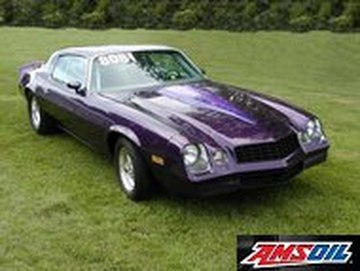
Lubrication Maintenance for the 1981 Chevrolet CAMARO 5.7L
Maintaining a high-displacement engine requires consistent attention to lubrication quality and system integrity. For owners of a 1981 Chevrolet CAMARO equipped with the 5.7L engine, routine service is the most effective way to manage the mechanical health of the vehicle. Because older engines often operate under different thermal and mechanical stresses than modern counterparts, understanding how to monitor and respond to lubrication needs is essential for long-term operation.
Monitoring Fluid Condition and Potential Leaks
One of the primary aspects of engine care involves regular visual inspections of the engine bay and the ground beneath the vehicle. Over time, various seals and gaskets may experience changes in their ability to contain fluids. When performing routine checks, look for any signs of seepage or active dripping around the engine block and lower components.
If you notice fluid accumulating on the surface of the engine or pooling on your driveway, it warrants further investigation. It is important to note that a single symptom, such as an oil spot on the ground, can be associated with several different components. Rather than assuming a specific part has failed, use these observations as a prompt to inspect the area more closely. Checking for wetness around sealing surfaces or observing if the lubricant appears excessively dark or gritty can provide useful information about the current state of your engine's lubrication system.
Managing Engine Oil and System Integrity
The engine oil serves several vital roles, including reducing friction between moving parts and assisting in heat management. As the oil circulates through the engine, it also helps to carry away heat and suspend small particles that could otherwise cause wear. Maintaining the cleanliness of this fluid is a cornerstone of engine longevity.
If you observe any changes in how the engine behaves—such as unusual mechanical noises or changes in how much lubricant the engine seems to use between service intervals—these should be investigated promptly. For example, an unusual odor may indicate that oil is contacting a hot external surface, which could be a sign of a leak rather than an internal issue. Always treat new symptoms as indicators that require a professional diagnosis to determine the actual cause.
Prioritizing Maintenance Based on Vehicle Condition
When managing an older vehicle, it is often more effective to prioritize maintenance based on the current physical condition of the car rather than relying solely on its age. If you are stepping into ownership of this 1981 Chevrolet CAMARO without a complete service history, establishing a maintenance baseline is a logical first step.
This process involves reviewing any available repair records and then performing a thorough inspection of all fluids and wear items. If documentation is missing, focus on addressing active concerns first, such as visible leaks or evidence of overdue service. By monitoring changes in fluid appearance or consumption over several months, you can develop a clearer picture of the engine's specific needs. This condition-based approach allows you to distinguish between necessary repairs and preventive measures that may not yet be required.
Inspecting Auxiliary Components
Beyond the oil itself, other components in the engine compartment require periodic attention. If equipped, inspect accessible drive belts for signs of deterioration such as cracking, glazing, or fraying. Similarly, if the vehicle is equipped with various hoses, check them for softness, bulging, or leaks at the connection points.
Electrical connections and wiring should also be inspected for signs of corrosion or damage, as these can affect the overall reliability of the engine's support systems. Keeping these peripheral components in good condition ensures that the environment surrounding the engine remains stable, which indirectly supports the effectiveness of your lubrication and cooling efforts.
Long-Term Ownership and Record Keeping
For those interested in the long-term preservation of a 1981 Chevrolet CAMARO, maintaining detailed service records is highly beneficial. Documenting every oil change, filter replacement, and mechanical repair provides a clear history that can be used to identify patterns or predict future maintenance needs.
Consistent record-keeping helps you track the intervals between services and ensures that no critical task is overlooked. Furthermore, having a documented history of what has been addressed can be invaluable if you ever decide to sell the vehicle or if you need to consult a technician regarding a specific mechanical issue. A well-documented vehicle often reflects an owner who has prioritized consistent, proactive care.
Practical Advice for Buying Engine Oil for your 1981 Chevrolet CAMARO 5.7L
When it is time to replenish your engine's lubricant, the most important step is to ensure the product matches the specific requirements of your application. Rather than relying on general automotive knowledge or assumptions based on the vehicle's age, you should always refer to the application-specific information provided on this webpage.
Match the engine oil to the viscosity and specifications listed in the technical data above. When selecting a product, consider the following practical steps:
- Verify the Label: Always check the product packaging to ensure the SAE viscosity matches what is required for your 5.7L engine.
- Consider Formulations: Depending on your specific needs and the condition of your engine, you may choose between conventional, synthetic blend, or full synthetic oils. Some high-mileage oil formulations also contain additives intended for use in aging engines, including seal-conditioning additives.
- Check Certifications: Ensure the oil meets the appropriate API service classifications to guarantee it provides the necessary level of protection and deposit control.
By following the specific guidance provided in the application data on this page, you can select a lubricant that is appropriate for your exact engine configuration.